LearnAboutHim

LearnAboutHim.com · Bible Evidence Catalogue

Evidence You Can See

The Bible speaks of real people, real cities and real events. Many of the places can still be visited, and many of the objects can still be seen in museums. This catalogue goes through the Bible book by book and shows them to you. It has 265 entries on 13 pages, from Ur of the Chaldees to the tombs of the apostles. I have also written a companion study guide, The Fingerprints of the Eternal God. It sets out twelve lines of evidence, from the beginning of the universe to fulfilled prophecy, that point to God as the Maker of all things.

Every entry has an honest label. Some things are confirmed by solid evidence. Some are old traditions. Some are still argued over. Those are marked as disputed, and the case for each side is given. The aim is never to claim more than the evidence shows.

For the invisible things of him from the creation of the world are clearly seen, being understood by the things that are made, even his eternal power and Godhead; so that they are without excuse:Romans 1:20 (KJV)

How to read the labels

Each entry has one of these four labels. The number beside each label shows how many entries in the whole catalogue have it.

  • Confirmed The place, object or written record is real, and it is clearly the one the Bible names. This rests on an inscription, a name that has been used without a break, or broad agreement among scholars. For writing, such as an inscription or a scroll, it means the object is genuine and its words can be read with confidence. It does not mean every event it mentions is proven. 113
  • Traditional site A real place that long tradition links to the Bible, but the exact spot cannot be proven. 44
  • Disputed Informed people disagree, or the claim rests on weak evidence. 57
  • Background Shows the world the Bible describes, such as its customs, peoples and rulers, but is not direct evidence for a particular Bible person or event. 51

How this catalogue was made

Sources you can check

The facts come from sources you can look up yourself, such as museums, universities, reports from the digs and published books. Each entry lists its sources.

Independent reviews

Every entry on every page was checked twice, in two separate rounds, by reviewers who did not write it. The reviewers checked facts, dates, Bible quotations, links and photos, and fixed what was wrong.

The King James Bible

Each entry quotes a key verse word for word from the King James Version.

The actual writing

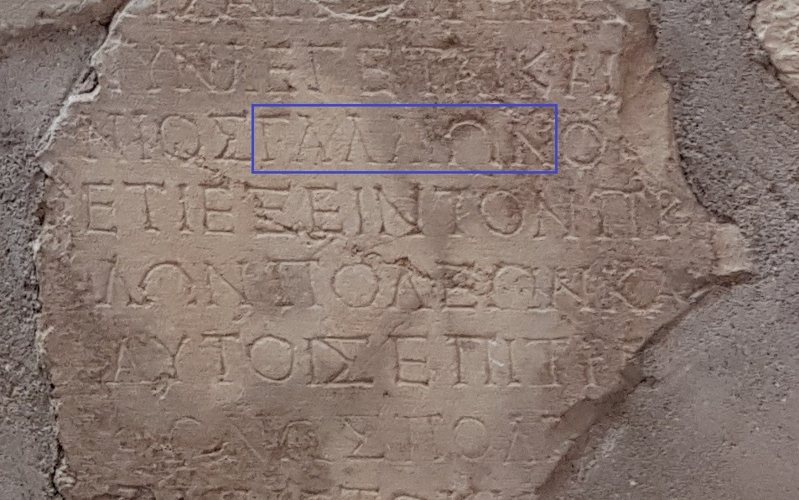
For many of the inscriptions, seals and coins, the page shows the key words as they were written, with a chart of the letters and how they sound. Where a photo is clear enough, yellow boxes added for this catalogue mark those words.

Free photos, credited

Every photo shown is free to use under its licence and is credited to its source. Follow the link under a photo to see the original and its licence.

Fair on dates

Where scholars disagree about a date, the page gives the main views and the reasons for each one.

The Old Testament

Nine pages, from Genesis to the prophets.

Genesis

From the rivers named in Eden to Joseph in Egypt: Ur, Haran, the Babylonian flood tablets, Shechem and the traditional tomb of Abraham, Isaac and Jacob.

  • 9 Confirmed
  • 6 Traditional site
  • 7 Disputed
  • 7 Background

29 entries

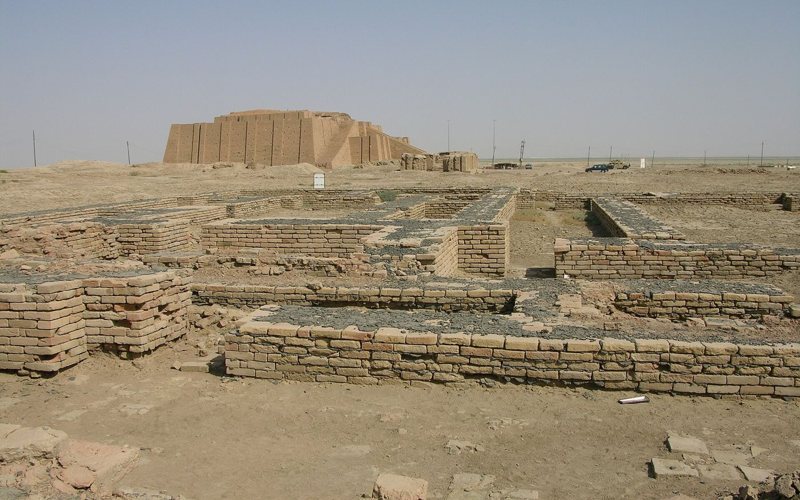
Photo: The temple tower and ruins of Ur at Tell el-Muqayyar, Iraq, the best-known candidate for Ur of the Chaldees. M. Lubinski. CC BY-SA 2.0. Source
Exodus

Israel in Egypt and the journey to Sinai: the city of Raamses, brickmaking, the Merneptah Stele and the search for the mountain of God.

  • 2 Confirmed
  • 2 Traditional site
  • 7 Disputed
  • 9 Background

20 entries

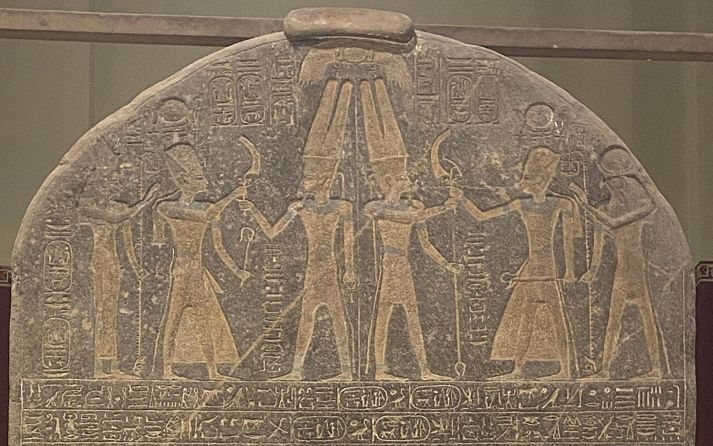
Photo: The Merneptah Stele: the earliest generally accepted mention of Israel outside the Bible. Wikimedia Commons user 𐰇𐱅𐰚𐰤. CC BY-SA 4.0. Source

Leviticus, Numbers and Deuteronomy

The laws and the years in the wilderness: horned altars, the Balaam inscription, the tiny silver scrolls with the priestly blessing, and Mount Nebo.

  • 6 Confirmed
  • 2 Traditional site
  • 5 Disputed
  • 4 Background

17 entries

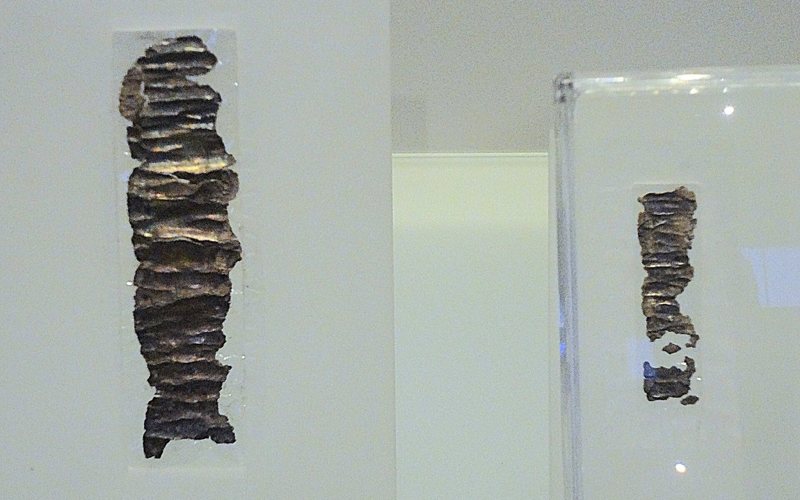
Photo: The Ketef Hinnom silver scrolls (the priestly blessing). Unknown photographer, via Wikimedia Commons. Public domain. Source

Joshua, Judges and Ruth

Into the promised land: Jericho, Hazor, the Amarna letters, the Philistines and Shiloh.

  • 7 Confirmed
  • 1 Traditional site
  • 3 Disputed
  • 4 Background

15 entries

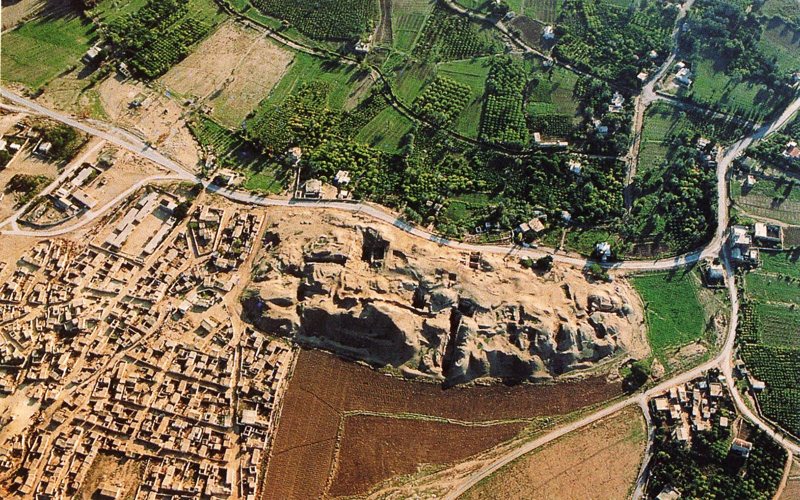
Photo: Jericho: the mound of Tell es-Sultan. Fullo88 at Italian Wikipedia, via Wikimedia Commons. Public domain. Source

1 and 2 Samuel

Samuel, Saul and David: the Valley of Elah, Khirbet Qeiyafa and the stone that names the house of David.

  • 8 Confirmed
  • 1 Traditional site
  • 4 Disputed
  • 1 Background

14 entries

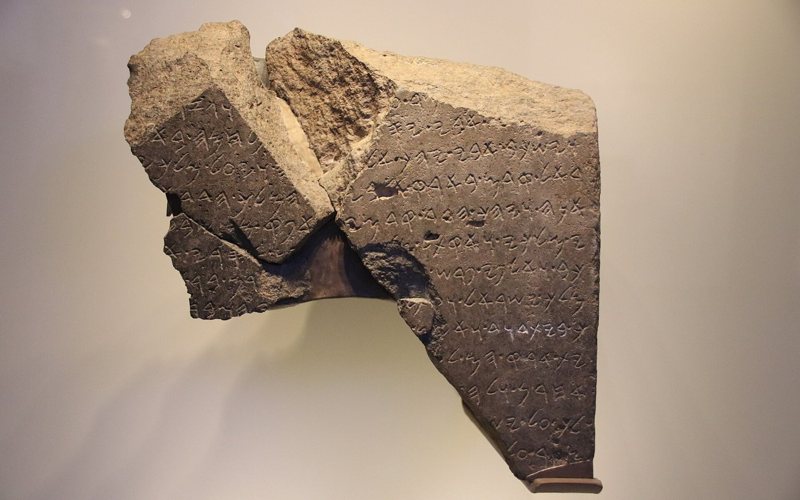
Photo: The Tel Dan Stele: "the house of David". Gary Todd, via Wikimedia Commons. CC0. Source

Solomon to Jehu

Solomon and the divided kingdom: the city gates often linked to Solomon, Shishak's invasion, the Mesha Stele and the Black Obelisk.

  • 11 Confirmed
  • 1 Traditional site
  • 5 Disputed
  • 1 Background

18 entries

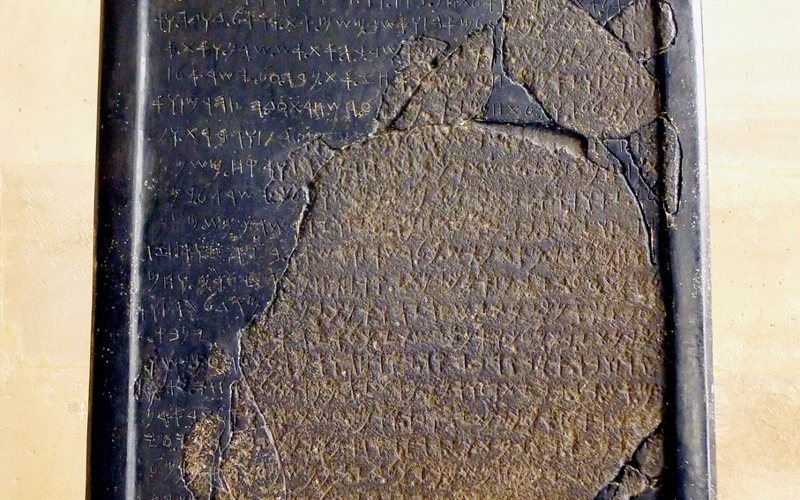
Photo: The Mesha Stele (Moabite Stone). Mbzt, via Wikimedia Commons. CC BY 3.0. Source

Assyria, Babylon and the Fall of Jerusalem

Hezekiah's tunnel, Sennacherib's clay prisms, the siege of Lachish and the burning of Jerusalem in 586 BC.

  • 15 Confirmed
  • 4 Disputed
  • 3 Background

22 entries

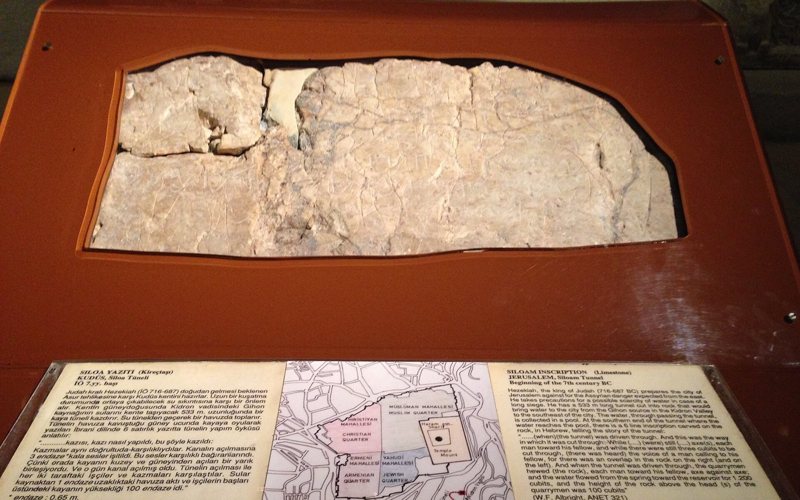
Photo: The Siloam inscription from Hezekiah's tunnel, in its display case at the Istanbul Archaeology Museums. Oncenawhile, via Wikimedia Commons. CC0. Source

Ezra, Nehemiah and Esther

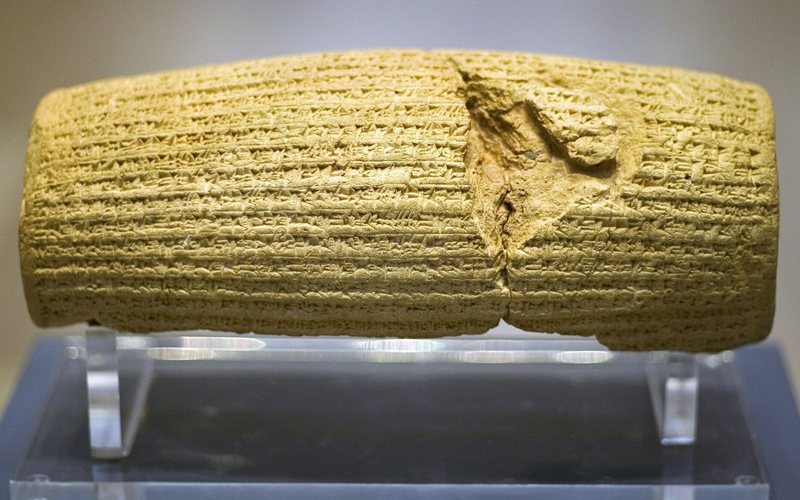
The return from exile: Cyrus and his tomb, the Persian kings, the palace at Shushan, and the traditional tombs of Esther, Daniel, Ezekiel and Ezra.

  • 11 Confirmed
  • 6 Traditional site
  • 2 Disputed
  • 4 Background

23 entries

Photo: The Cyrus Cylinder. Prioryman, via Wikimedia Commons. CC BY-SA 3.0. Source

The Wisdom Books and the Prophets

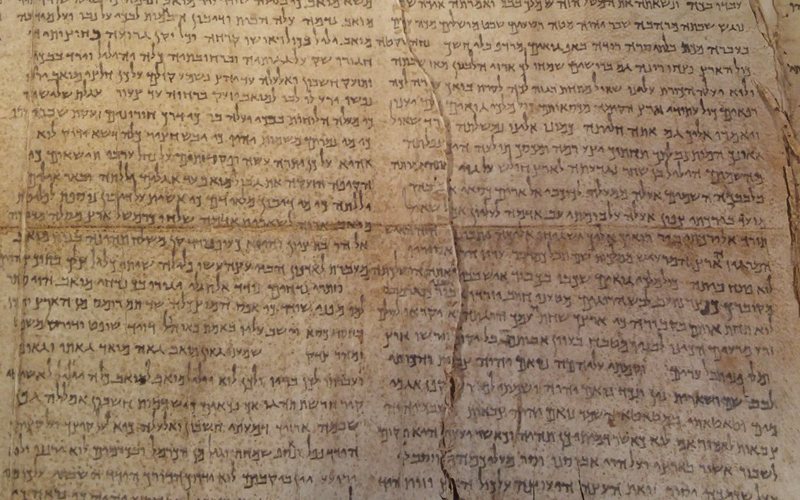
The Great Isaiah and Psalms scrolls, the river Chebar, Tyre, Nineveh's walls and the traditional tombs of the prophets.

  • 9 Confirmed
  • 6 Traditional site
  • 3 Disputed
  • 2 Background

20 entries

Photo: A full-size copy of the Great Isaiah Scroll, columns 12 and 13. Wikimedia Commons user Jb344tul. CC0. Source

The New Testament and the First Christians

Four pages, from Bethlehem to the martyrs of the early church.

The Gospels, from Bethlehem to Galilee

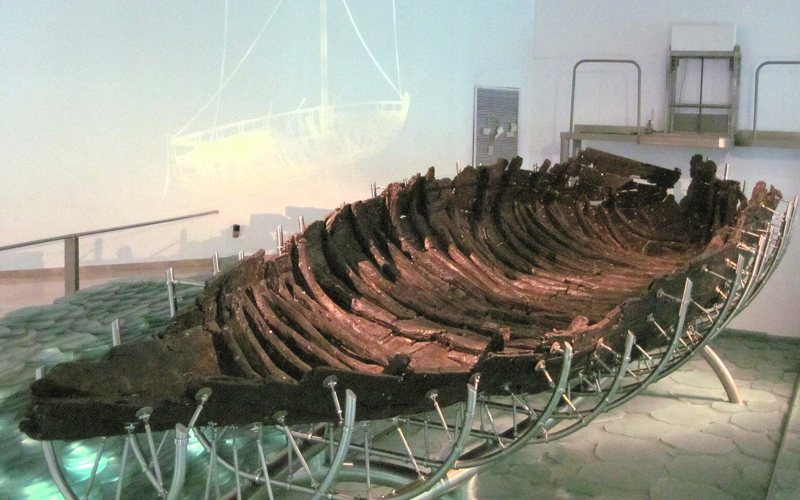
The birth of Jesus and His work in Galilee: Bethlehem, Nazareth, Capernaum, the Galilee boat and the coins of His day.

  • 5 Confirmed
  • 4 Traditional site
  • 5 Disputed
  • 6 Background

20 entries

Photo: The Galilee boat (the "Jesus boat"). Travellers & Tinkers, via Wikimedia Commons. CC BY-SA 4.0. Source

The Gospels, Jerusalem, the Cross and the Empty Tomb

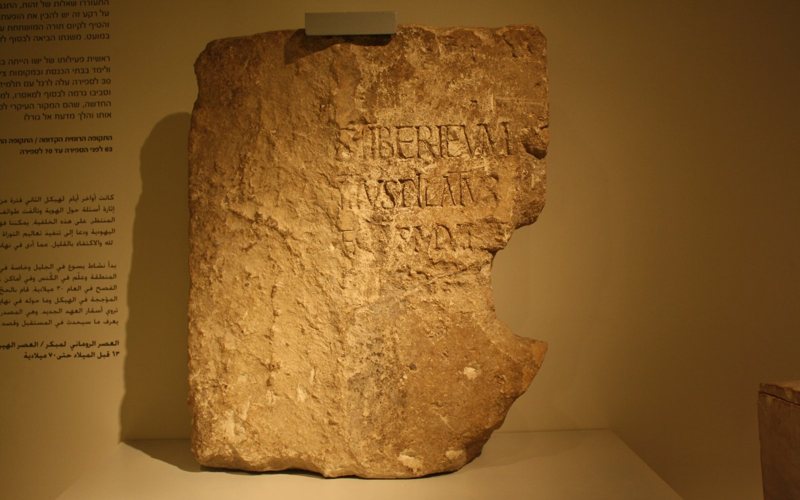
Jesus in Jerusalem: the temple, the pools of Bethesda and Siloam, the bone box with the name "Joseph son of Caiaphas", the Pilate stone and the places claimed as His tomb.

  • 5 Confirmed
  • 4 Traditional site
  • 7 Disputed
  • 4 Background

20 entries

Photo: The Pilate stone from Caesarea. BRBurton, via Wikimedia Commons. CC0. Source

The Acts of the Apostles

The church spreads across the Roman world: Antioch, the Gallio inscription at Delphi, the Erastus inscription at Corinth, Ephesus and Paul's voyage to Rome.

  • 15 Confirmed
  • 3 Traditional site
  • 3 Disputed

21 entries

Photo: The Gallio inscription at Delphi (the blue box was drawn by the photographer). Gérard, via Wikimedia Commons. CC BY-SA 4.0. Source

The Letters, Revelation and the First Martyrs

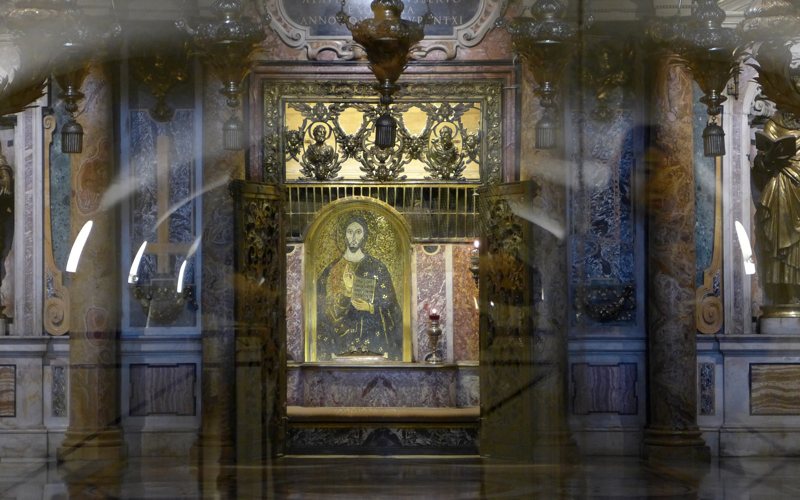
Patmos and the churches of Revelation from Smyrna to Laodicea, the traditional tombs of the apostles, and the first Christians who died for their faith.

  • 10 Confirmed
  • 8 Traditional site
  • 2 Disputed
  • 6 Background

26 entries

Photo: The shrine under the main altar of St Peter's, above Peter's traditional grave. Dnalor 01, via Wikimedia Commons. CC BY-SA 3.0 AT. Source

To close the catalogue

Christmas Eve 1968: Genesis Read from Orbit Around the Moon

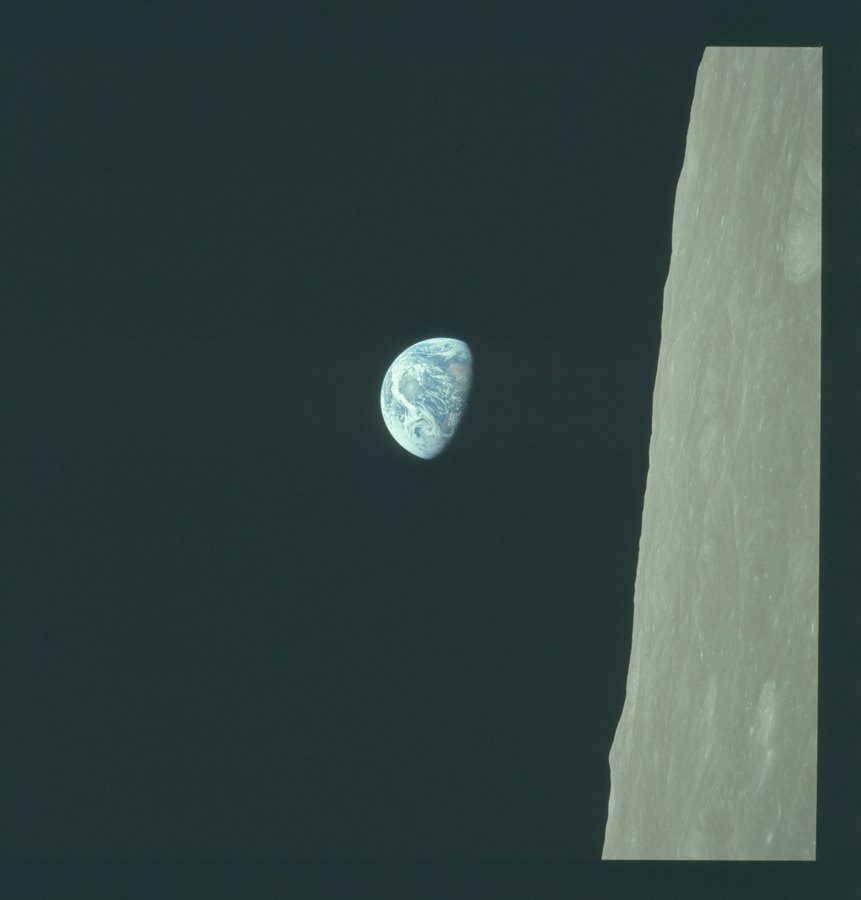
On Christmas Eve 1968, the three men of Apollo 8 were the first people ever to travel around the Moon. While in orbit around it, they read Genesis 1:1 to 10 from the King James Version on live television. One historian, Teasel Muir-Harmony, estimates that about 1 in 4 people on Earth heard it. Nobody could count the real number.

Read and listen to the closing piece

Earthrise as the Apollo 8 crew saw it: the Earth beside the edge of the Moon, which runs up and down on the right
Earthrise as the crew saw it from the spacecraft on 24 December 1968, before the picture was turned on its side for printing. Photo: NASA (AS08-14-2383). Public domain. Source